

Serious Reminder for Every Commercial Kitchen: Why Clean & Maintained Extract Systems Are Essential
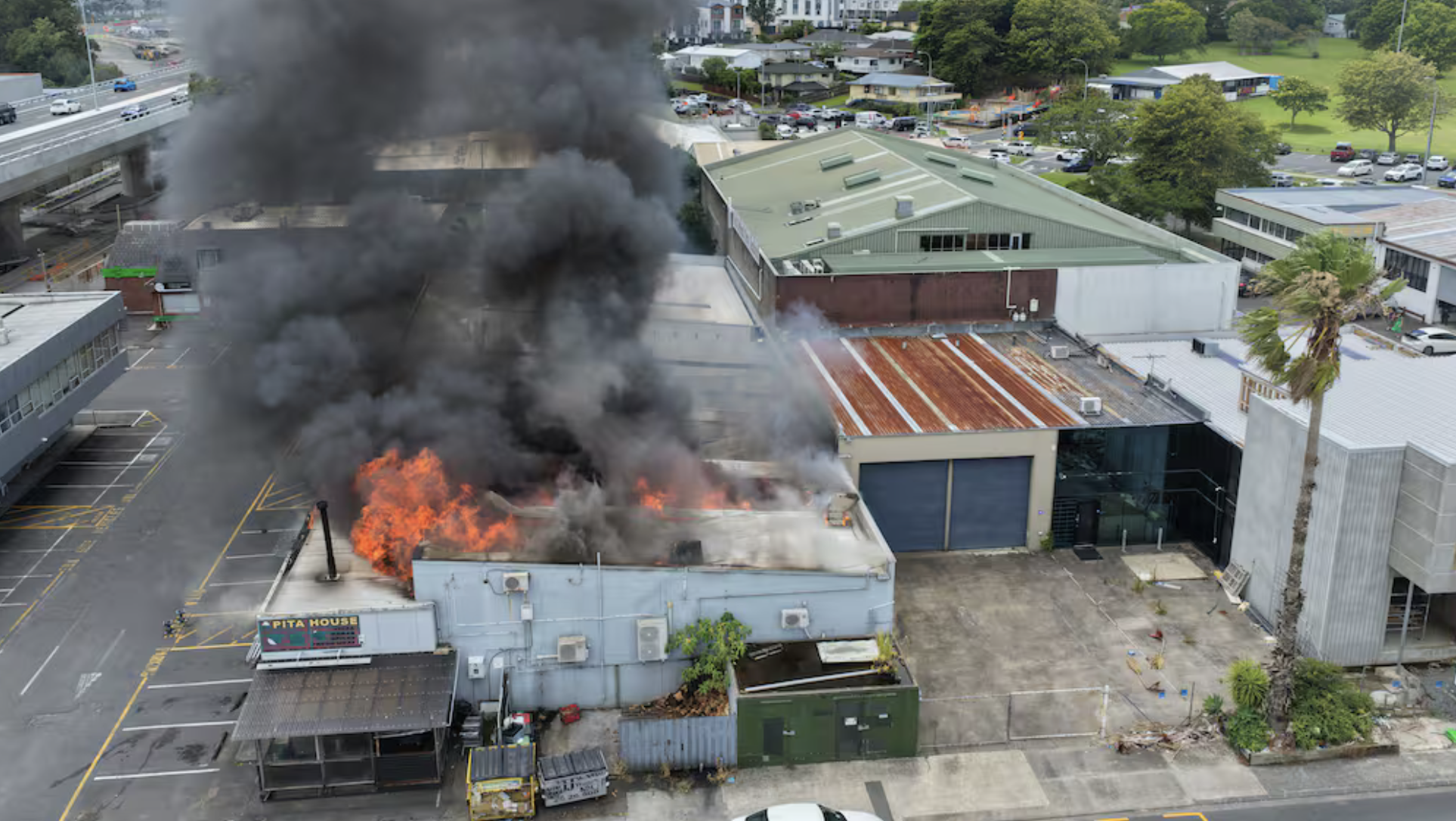
On 9 January 2026, a long-standing family café in Pakuranga, Auckland was devastated by a major fire. News articles have confirmed that the blaze was in the kitchen’s extraction system, likely starting in the rangehood over cooking equipment and rapidly spreading through ductwork.
The business was a much-loved local eatery and food provider. It was completely destroyed and one person was seriously injured in the incident. The loss has been heartbreaking for the owners, their staff, and the wider community.
National Hood & Duct Cleaning would like to take this deeply unfortunate event as a sobering reminder to all eateries, cafés, restaurants, and commercial kitchens across New Zealand:
Your kitchen extract system is not just ventilation, it is critical to fire safety, compliance, and protecting lives and livelihoods. The kitchen ventilation system particularly hoods, filters, fans, and ducts is exposed to heat, smoke, grease-laden vapours and airborne particulates every day. Over time, grease and oil residue build-up inside extract systems can become highly flammable if not regularly cleaned and maintained.
When a fire starts inside this build-up, it can quickly travel through ductwork and into concealed spaces making it exceptionally difficult to control once it starts.
This is why:
1. Thorough and regular cleaning saves lives
Professional kitchen hood and duct cleaning removes accumulated grease before it becomes a fire hazard. This is not cosmetic, it’s a serious safety measure required in all commercial kitchens by building compliance, fire safety regulations and insurers.
A neglected extract system with heavy residue can allow a small ignition to turn into a major fire within minutes.
2. Compliance with NZ regulations isn’t optional, and audits are happening now
New Zealand’s building and safety codes require commercial kitchens to:
Have effective extract systems capable of safely removing heat, smoke and grease;
Be regularly inspected, cleaned, and documented by trained professionals;
Maintain up-to-date compliance records for audits and insurance.
This is not simply best practice, it’s mandatory for your Building Warrant of Fitness (BWOF) and part of your duty of care to staff, customers and neighbouring properties.
We are seeing an increase in the frequency of Council audits, which is a positive step toward improving safety and compliance across the hospitality sector. These requirements exist for a clear reason: to protect people, property, and businesses from preventable risk.
3. Documentation matters for insurance and peace of mind
In the event of any fire or safety incident, insurance policies often require documented proof that extract systems were cleaned and maintained to compliance standards. Without this, claims can be complicated or challenged.
Act Now: Protect Your Team, Your Customers, and Your Business
The tragic Pakuranga blaze is a powerful wake-up call for all foodservice operators.
This isn’t about fear-mongering, it’s about responsibility, compliance, and professional duty.
At National Hood & Duct Cleaning, we partner with commercial kitchens to ensure extract systems are cleaned thoroughly, safely, and in line with New Zealand’s compliance requirements. We are professional, thorough and affordable.
If your kitchen hasn’t had a professional hood and duct clean recently or if your documentation is not complete contact us today. It could literally make the difference between routine operations and a catastrophic loss.
We are serious about safety, serious about compliance and serious about protecting your business.